

Built to move. Built to stay.
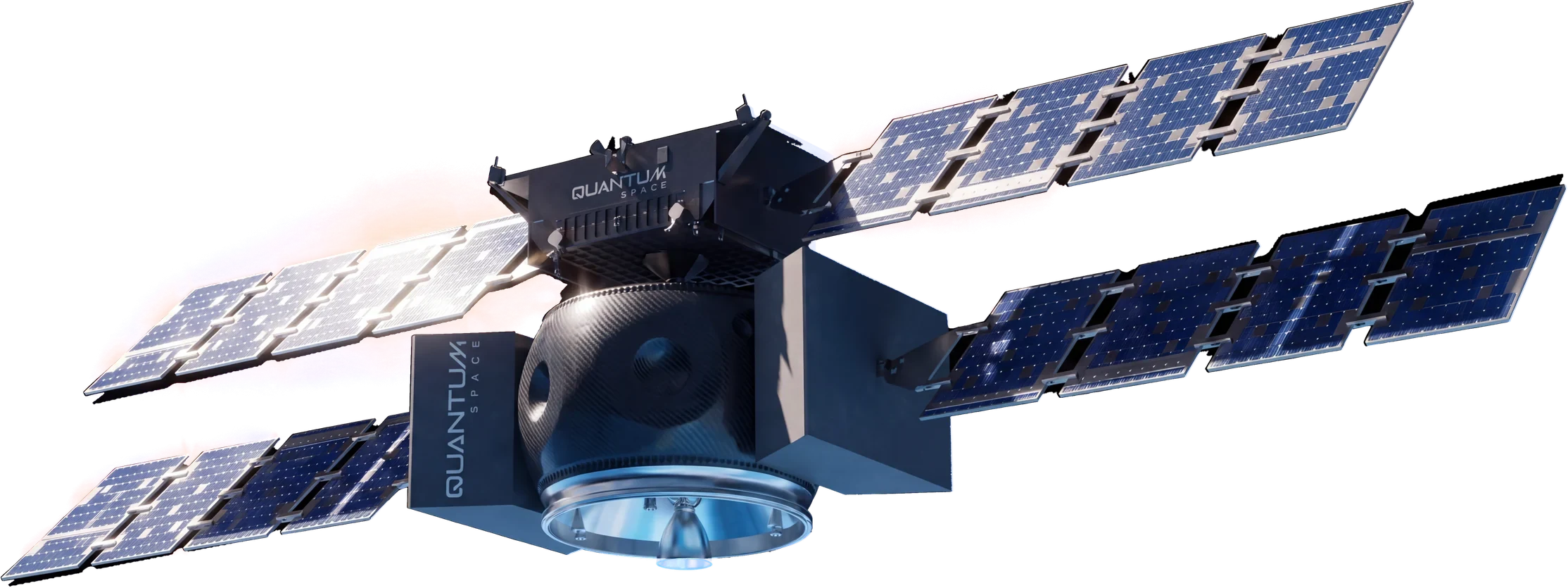
Scout and Ranger share one core capability at different scales: the freedom to maneuver. They're designed to operate, reposition, and refuel in orbit, extending mission life well beyond a single tank of fuel.
Scout
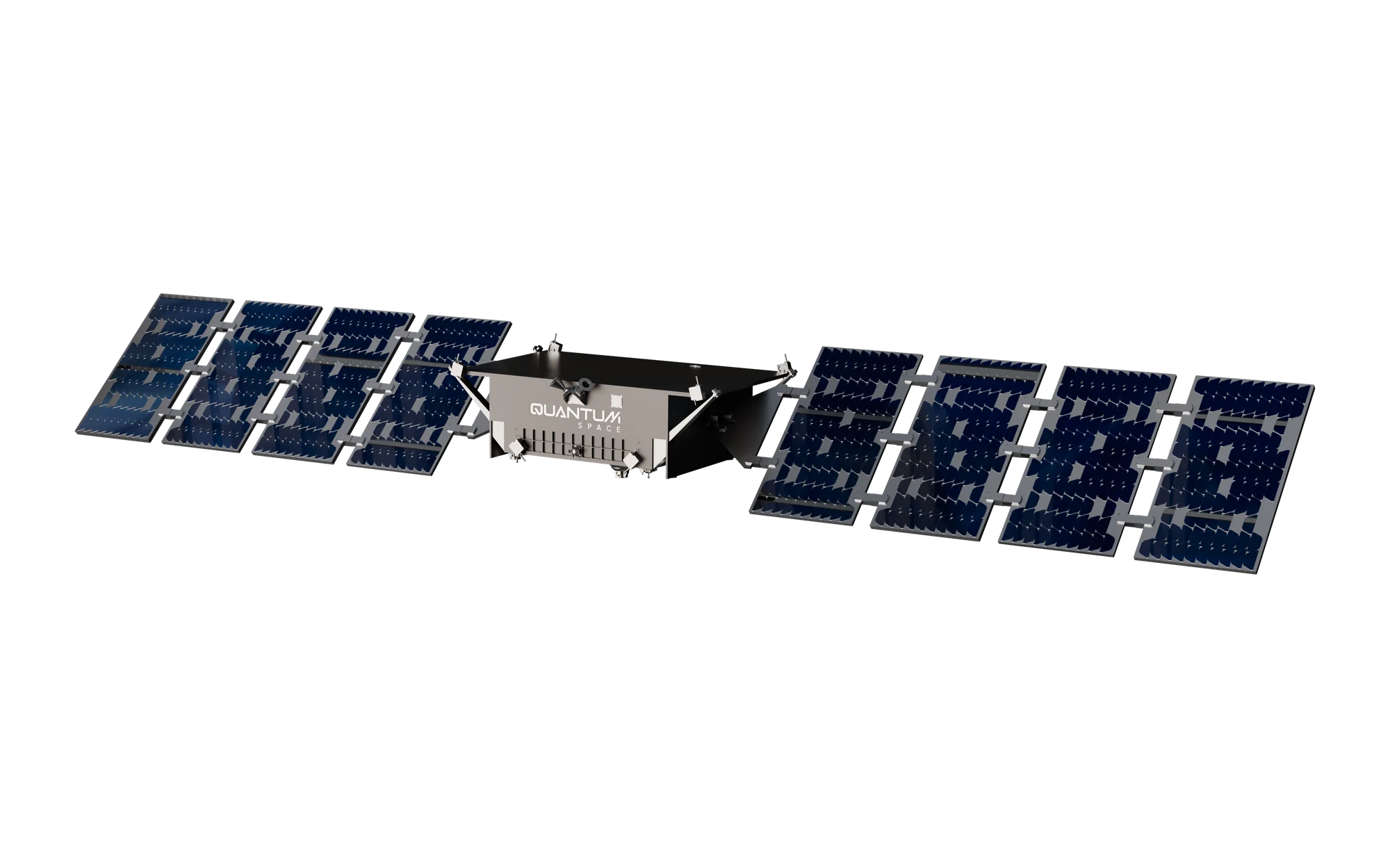
Scout is Quantum Space's ESPA Grande-class spacecraft, engineered for high-performance maneuverability and rapid deployment. Designed for operations across multiple orbital regimes, Scout combines high-thrust propulsion, substantial delta-V capability, and on-orbit refueling to support responsive, sustained missions. Its compact, refuelable architecture is designed to extend operational endurance and give customers the freedom to maneuver without regret.
Ranger
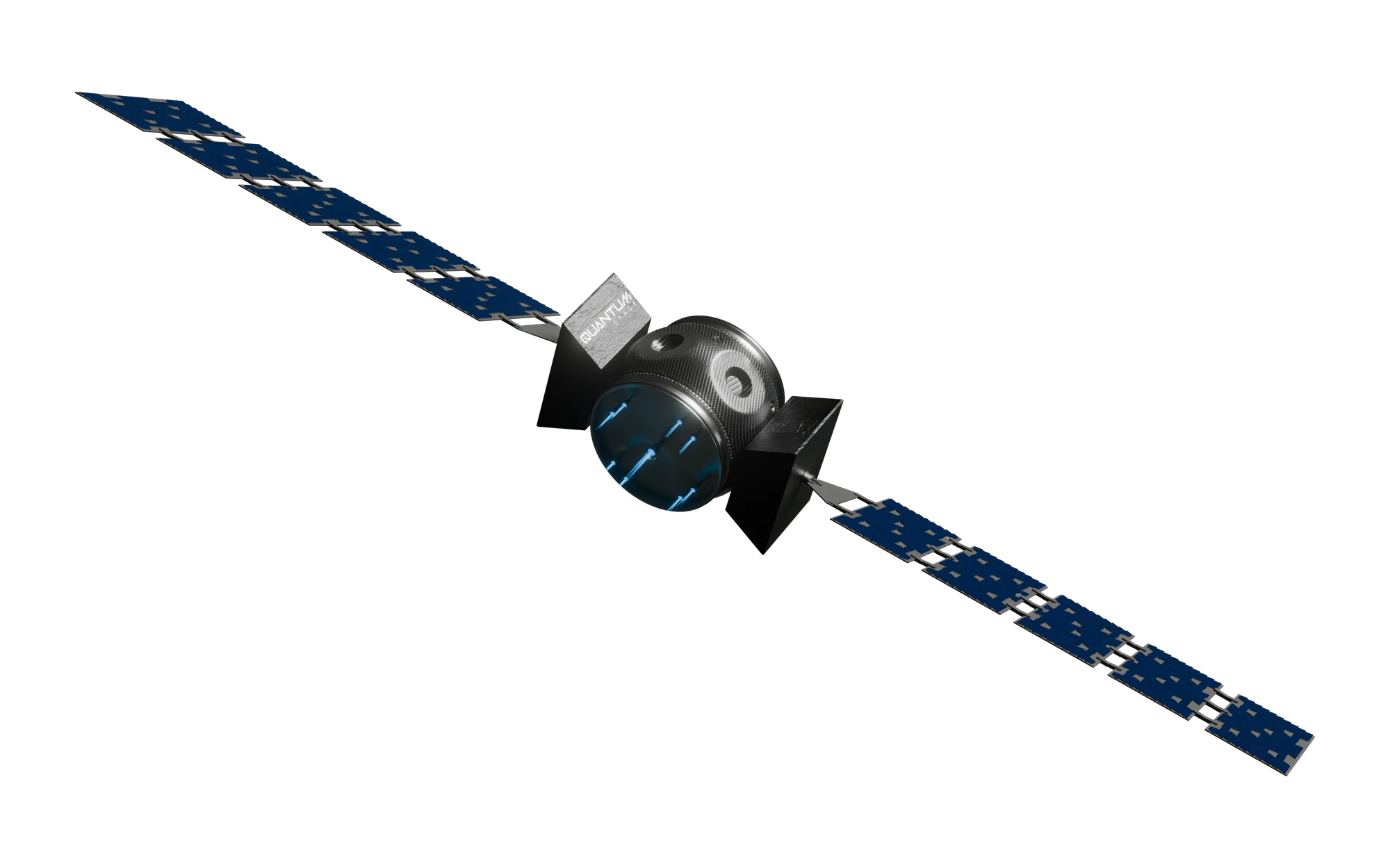
Ranger is Quantum Space's larger maneuverable spacecraft, engineered for sustained operations across multiple orbital regimes. Its patented, single-fuel, multi-mode propulsion system is designed to combine high-thrust maneuverability with high-efficiency operations. With substantial fuel capacity, on-orbit refueling capability, and a modular architecture, Ranger is designed to host and transport payloads or serve as an orbital fuel depot, supporting diverse mission requirements over an operational life of up to 15 years.
Proving it on orbit.
Prime
Pathfinding the future of maneuverable spacecraft
Prime is Quantum Space's pathfinder mission, designed to demonstrate key technologies and capabilities supporting future Scout and Ranger missions. Through on-orbit testing, Prime will validate spacecraft performance, payload hosting, and data collection capabilities, advancing the development of Quantum Space's next generation of maneuverable spacecraft.
Moon Base
Extending freedom to maneuver to the Moon
Quantum Space is part of an Arrow Science and Technology-led team selected for NASA's $185 million Moon Base Transportation program. As a subcontractor, Quantum Space will provide Ranger's orbital transfer capabilities to deliver NASA's two CAPSTONE-2 spacecraft to lunar orbit. The mission will support NASA's efforts to establish a sustained presence at the lunar south pole while demonstrating the importance of reliable transportation and orbital mobility between Earth and the Moon.
Freedom to maneuver.
Program managers, primes, strategic partners. Quantum Space is shipping. Tell us where our spacecraft fit in your architecture.
